I finished 100 books this year. Some might like me to qualify that statement. Many of them were audiobooks I had on while running, cooking, commuting, making coffee, and working out. To those inclined to distinguish that from reading, I’ll say that is ableist bullshit. I’m not about to give it the slightest oxygen. It’s an elitist argument that discourages people spread thin by late capitalism from engaging with new ideas or ways of seeing the world.
Fuck every bit of that. Stay mad.
Below are the works I found most worthwhile, moving, or enjoyable (and a few I disliked so much I’ve gone to the trouble of covering them). Not all of these were published this year. Some I just happened to get around to. But a lot of them are 2025 releases, and all of them were books I checked out from public libraries, for free, using the Libby app.
Libraries are magical. Support them.
Kingdom of No Tomorrow (Fabienne Josaphat)
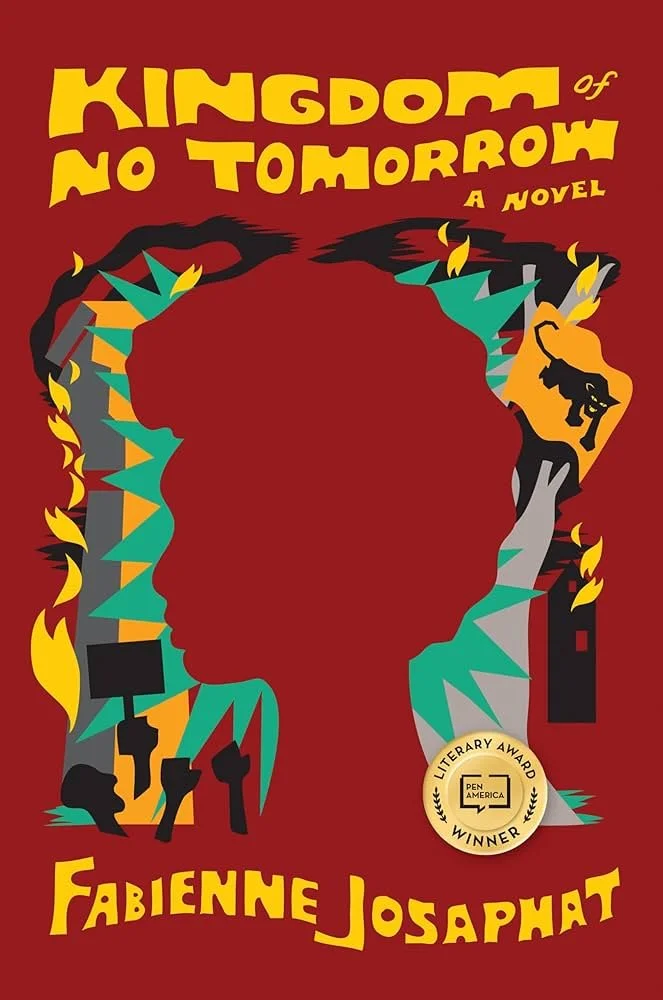
An historical fiction set in the rise of the Black Panther Party, told through the voice of a Haitian-born woman who puts her medical studies on hold to support the movement – only to find herself tested by its patriarchal baggage. Holds up nicely relative to the autobiographies I've read of men and women central to the Party.
The Bombshell (Darrow Farr)
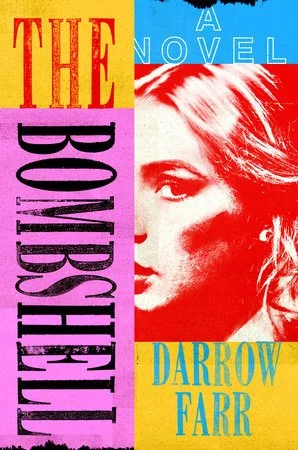
An historical novel set in the 1990s Corsican liberation movement. Told from the perspective of a French-American daughter of a Parisian politician, abducted in an operation aimed at securing the release of Corsican political prisoners. Something of a Patty Hearst plot ensues, wherein the young woman confronts the political establishment that produced her, and takes up arms against it.
The Fort Bragg Cartel (Seth Harp)
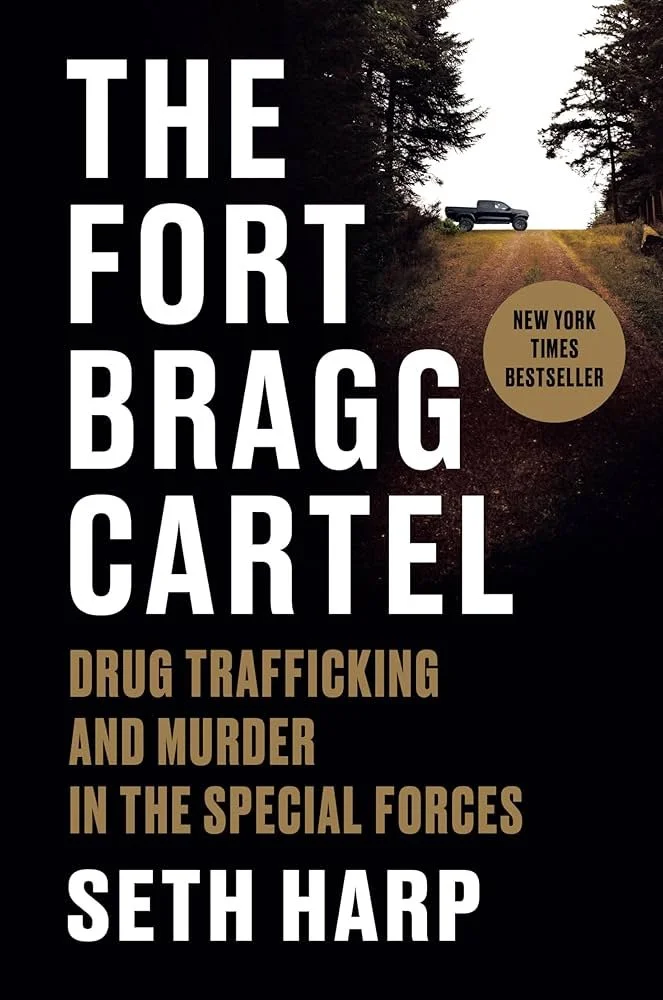
This got a lot of hype. And rightly so. An absolutely devastating illustration of the fascist, petty-criminal culture that has long captured Special Forces in the US military and intelligence. In other words, the most elite killing machines walking the earth. It’s difficult to overstate what a sobering read this is. A snapshot of the american political predicament, critical to any understanding of what we’re up against.
Pick a Color (Souvankham Thammavongsa)
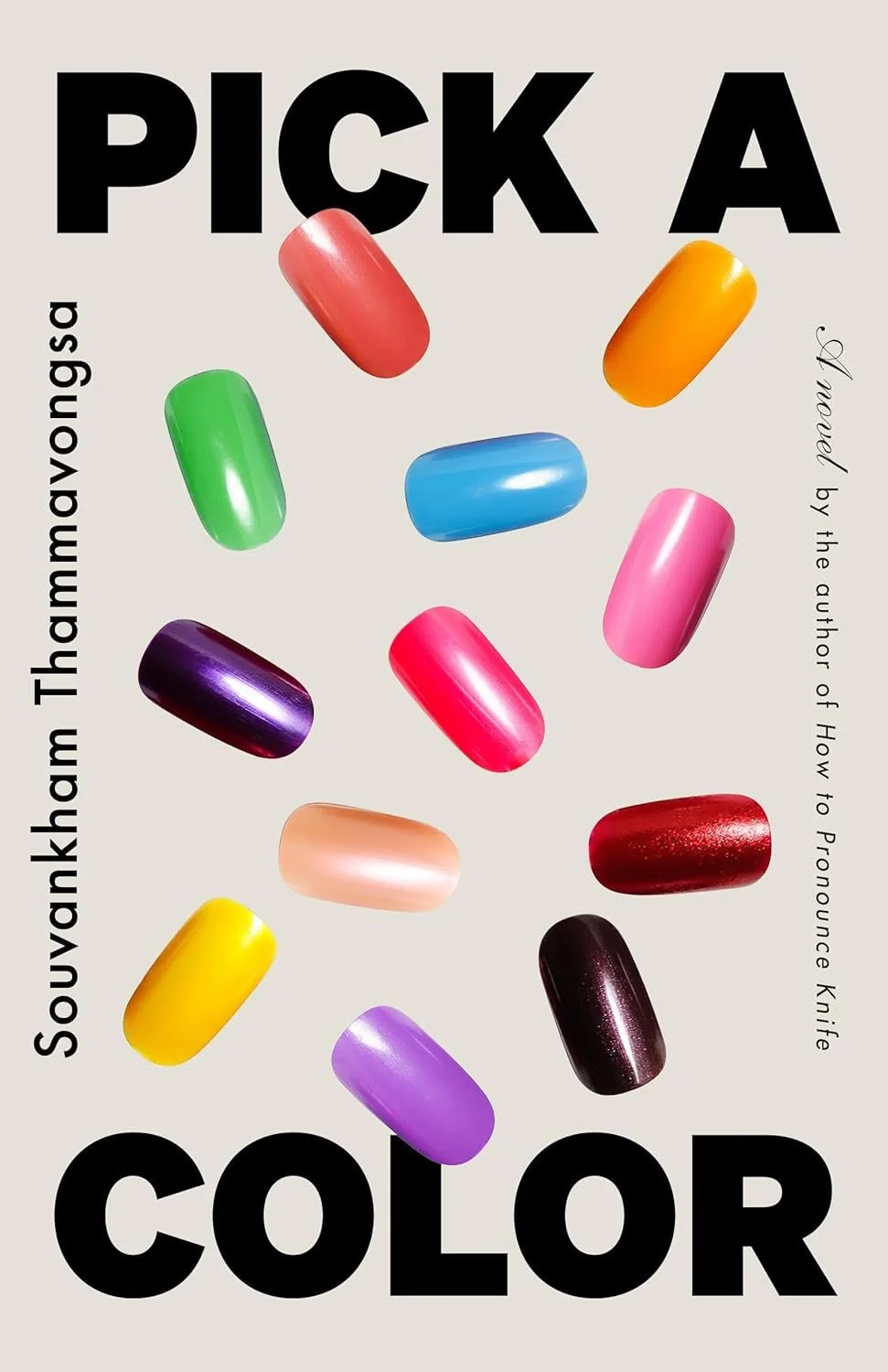
I loved Thammavongsa’s short story collection How to Pronounce Knife, a few years back. And this cements her as one of my favorite contemporary writers. Told through the Lao proprietor of a nail salon in some unspecified –probably US– city, across a single day. The personalities of patrons, and how they’re managed. The pressures of remaining solvent, much less competitive. Lao nail technicians talking shit. All of it, at points, passed through the protagonist’s past as a female boxer. Sparse. Rhythmic. Gorgeous.
Fascist Yoga (Stewart Home)
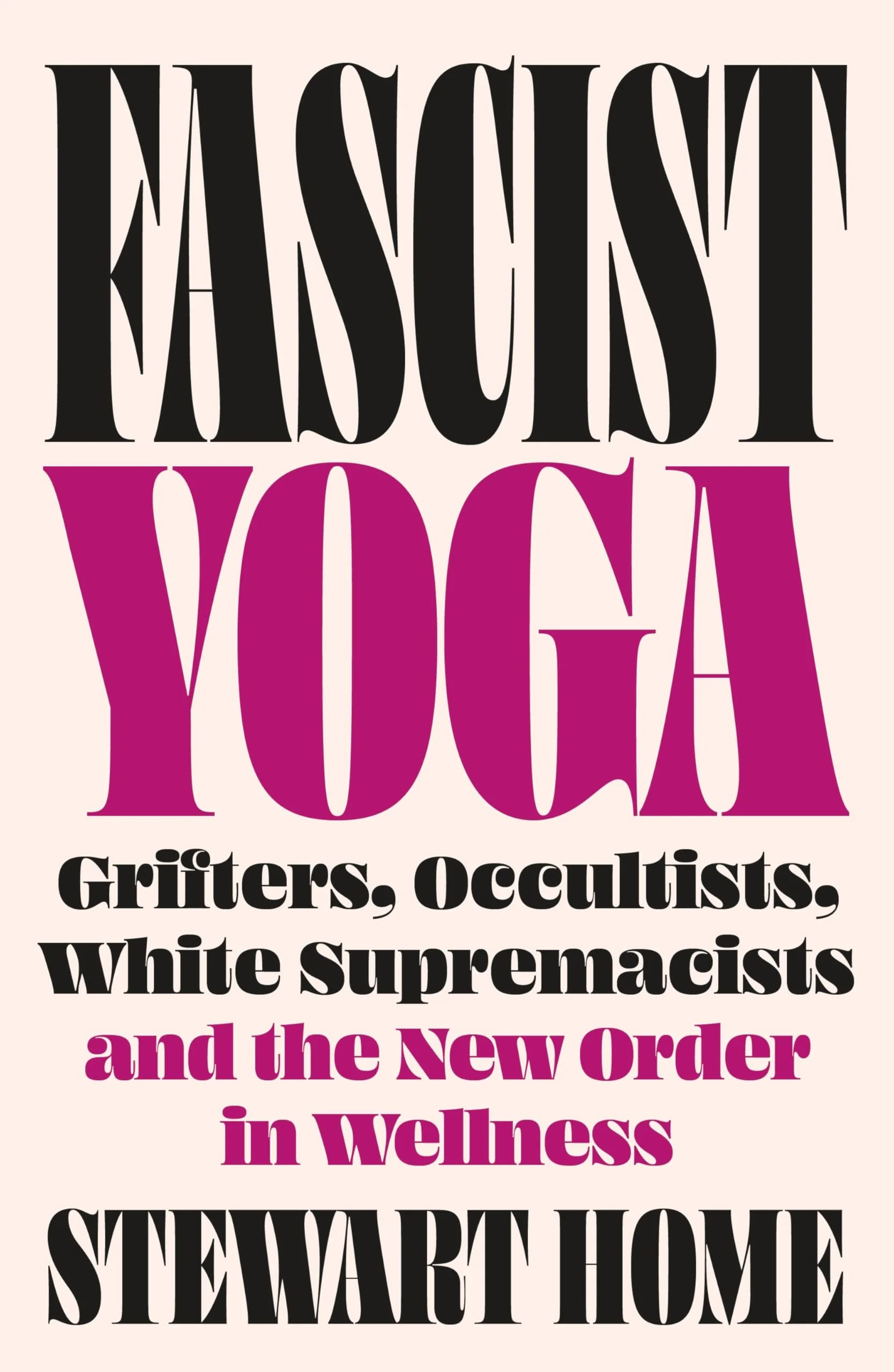
File under: Shit I can’t believe I didn’t know (and now can’t stop thinking about). A scorching trek through the history of postural yoga – a discipline only about a century old despite its marketing, largely popularized by (you guessed it) fascists, eugenicists, white supremacists, and the sorts of gaslighting “spiritual” charlatans we all now caricature after years of anti-vaxx dumbassery. Damning stuff. Impossible to look at the yoga industry the same after this.
The Last Sweet Bite (Michael Shaikh)
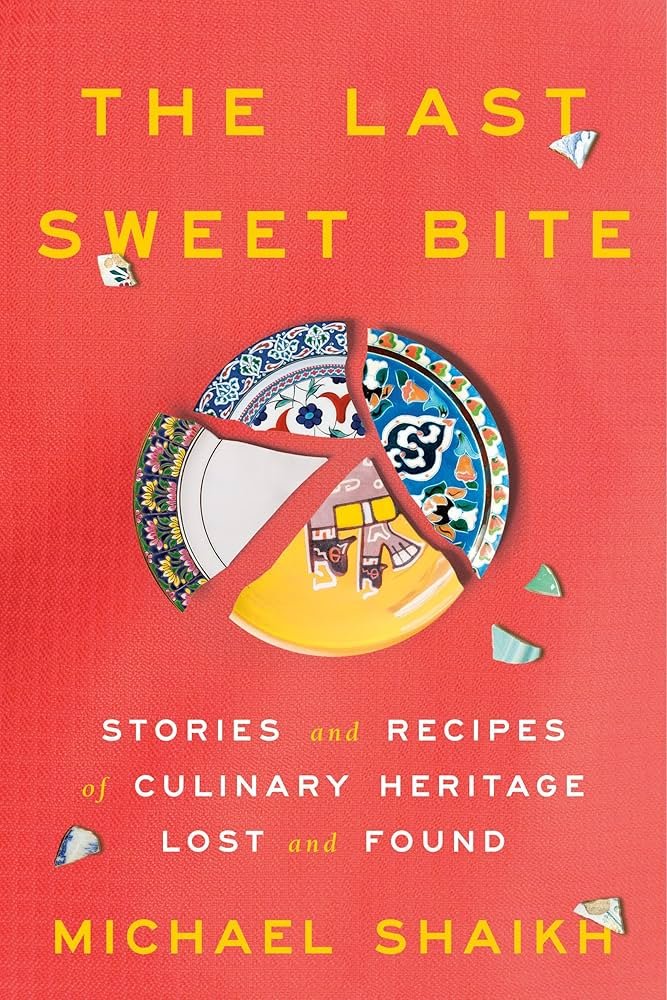
An exploration of culinary traditions threatened by genocide, ethnic cleansing, and various colonial/imperial violence. Tamil, Uyghur, Bolivian, Czech, Palestinian, and more. Beautiful and enraging, all at once. Underscores the tactile connections we forge through food as core to resistance and dignity.
Pathemata, Or, The Story of My Mouth (Maggie Nelson)
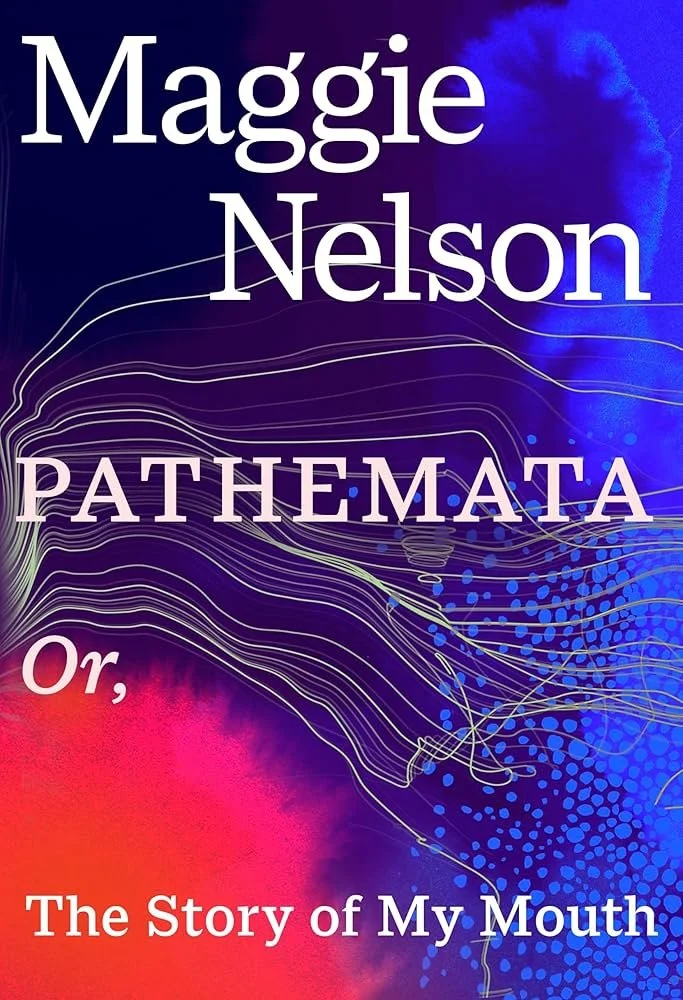
A very short, recent installment from Nelson. A sort of poetic and semi-autobiographical essay on the inevitability of decline. In our bodies, our relationships, and our society. Stunning, per usual. I’m still thinking about it, despite its brevity.
Lower Than the Angels (Diarmaid MacCulloch)
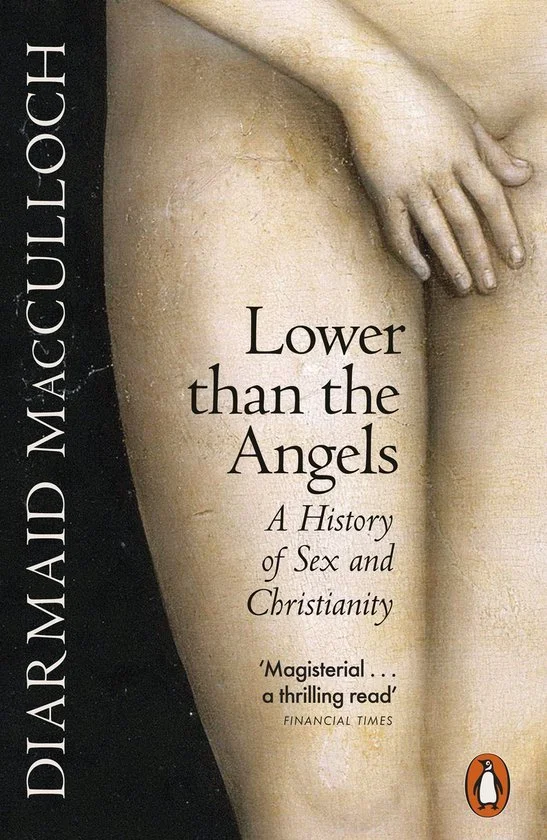
An exhaustive, downright encyclopedic unpacking of sexuality in the history of Christianity. As anyone with exposure to archaeology, academic history, or classicist disciplines will attest – this is to be read less for some confirmation of Christian hypocrisy; more as a document of the fact that the Christian tradition has never been singular or stable.
Empire of AI (Karen Hao)
Probably the most important work of the last half-decade. Meticulously researched, incendiary, and essential for any one who wants to understand just what a colossal, violent grift the AI-industry is.
Dead I May Well Be (Adrian McKinty)
McKinty is peerless in Irish noir. Dead… follows a young Irish immigrant to late 20th-century NYC, getting by as a low-level task-handler in the mob. Sleeping with the boss’s side-piece on the sly, he and his peers are dispatched to Mexico for a gun deal that goes sideways (probably by design), landing them in a prison sentence so austere that several die. A chance escape sees him drag himself out of Mexico and into a revenge plot that almost puts John Wick to shame. Every word is perfect.
Beirut Station (Paul Vidich)
Vidich writes spy novels in the brooding, conflicted, poetry-of-betrayal vein of Le Carre – works that often serve as a searing rearview on US foreign policy. In this case, a Lebanese-american CIA operative involved in operations against Hezbollah during one of Israel’s recent assaults on the south. She increasingly suspects a Mossad agent in joint operations of undermining objectives and shrugging at civilian casualties. All to secure Israel’s unilateral priorities. The more she tries to apply corrective pressure, the more eveything points to Israel’s operational capture Stateside going far higher up.
One Day, Everyone Will Have Always Been Against This (Omar El Akkad)
Put down whatever the fuck you’re doing, and don’t go back to it until you’ve finished reading this. That is all.
Sky Full of Elephants (Cebo Campbell)
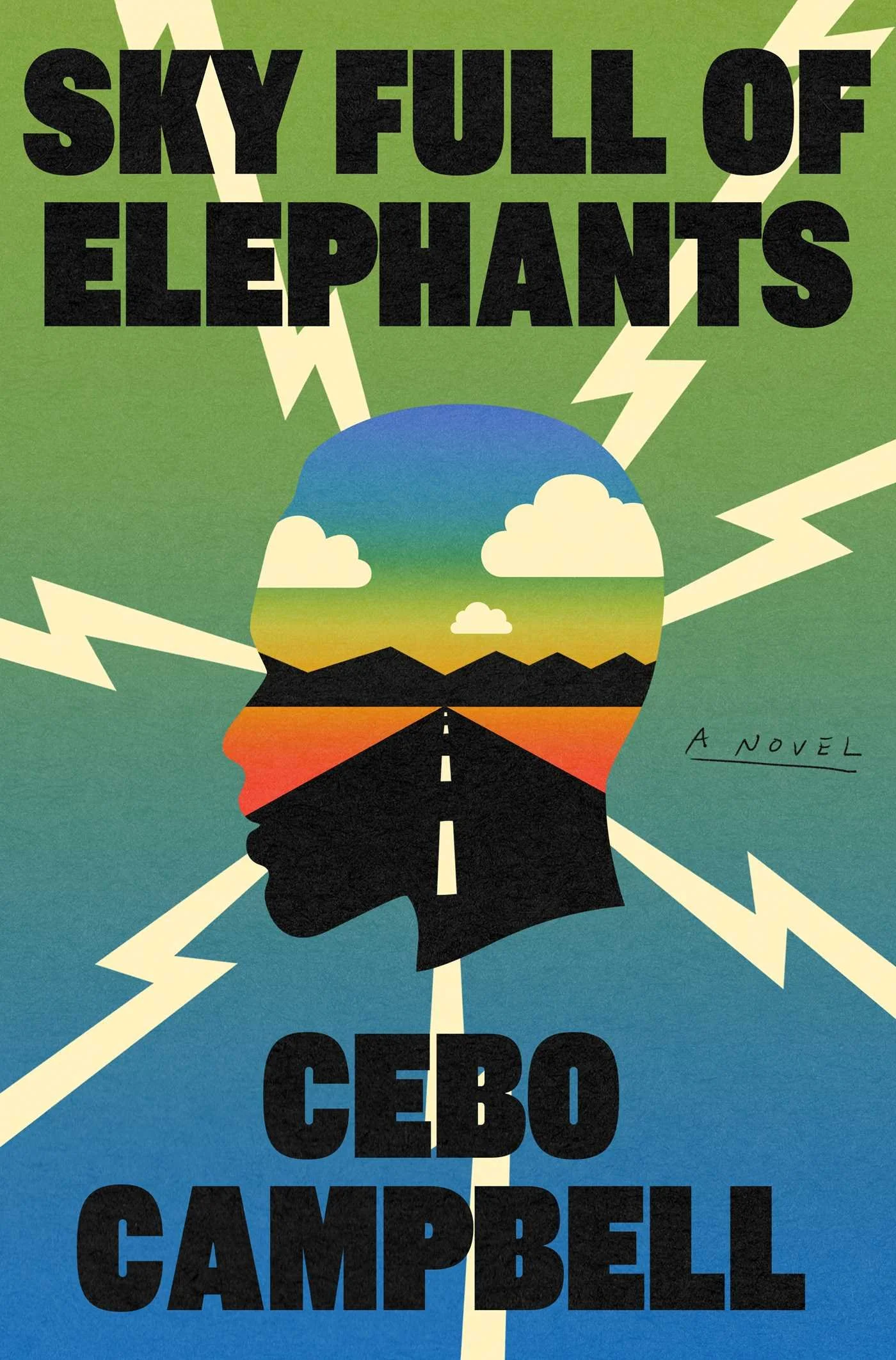
Imagine The Leftovers had been a meditation on white supremacy, and you basically get this novel. One day all the white people in the US proceed as if possessed, to the nearest body of water (some walking for days) and drown themselves. This novel’s story begins in the aftermath, in the world after and without white people. So, so much was done right with this. It begs for a series adaptation.
Stag Dance (Torrey Peters)
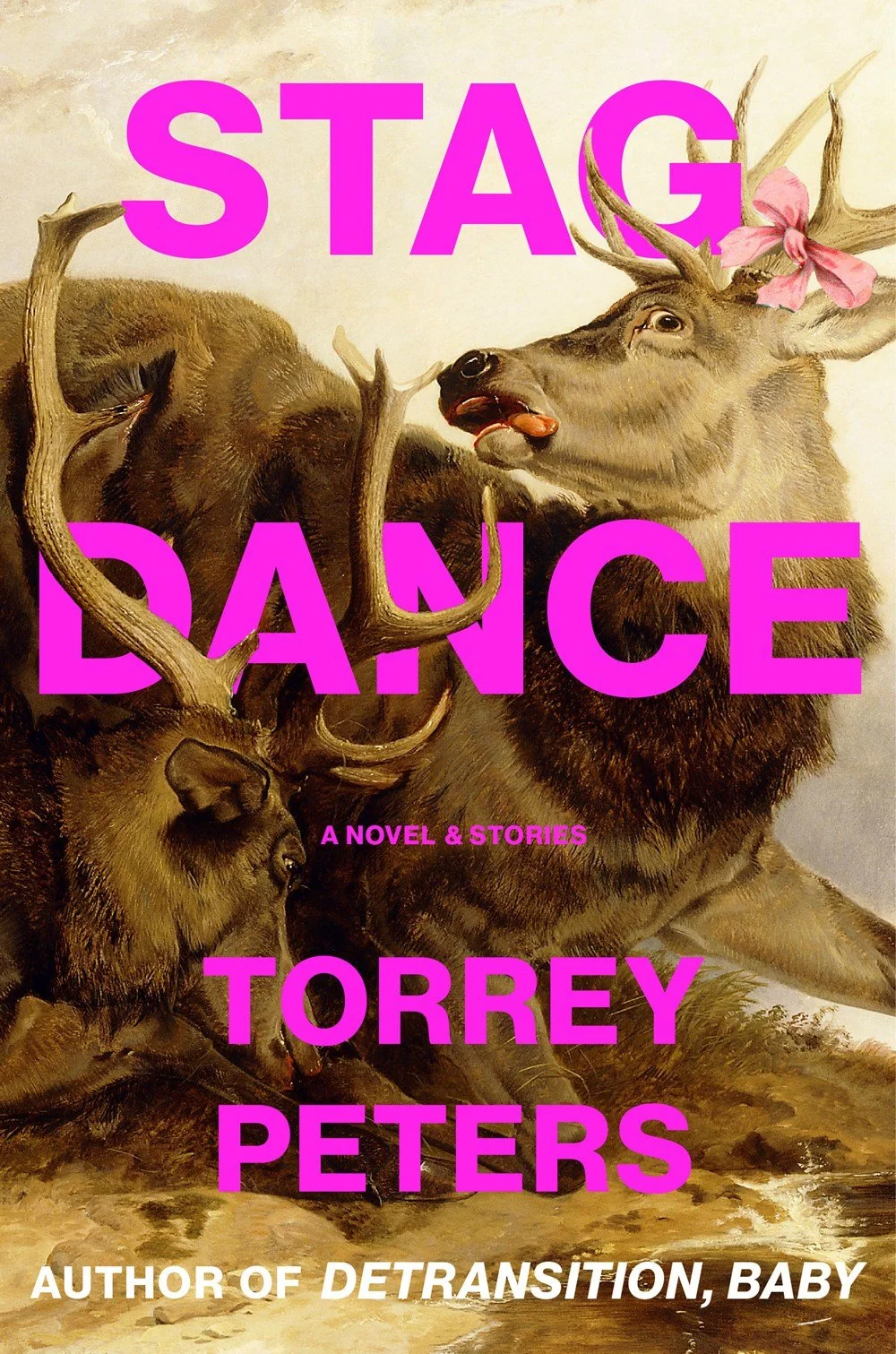
A collection of stories that orbit gender fluidity and gender performance. The longest of which takes place in a pre-Depression logging camp. Beautifully executed, often unsettling. All the filth and subterfuge of Deadwood, while deeply vulnerable and candid.
Defectors (Paola Ramos)
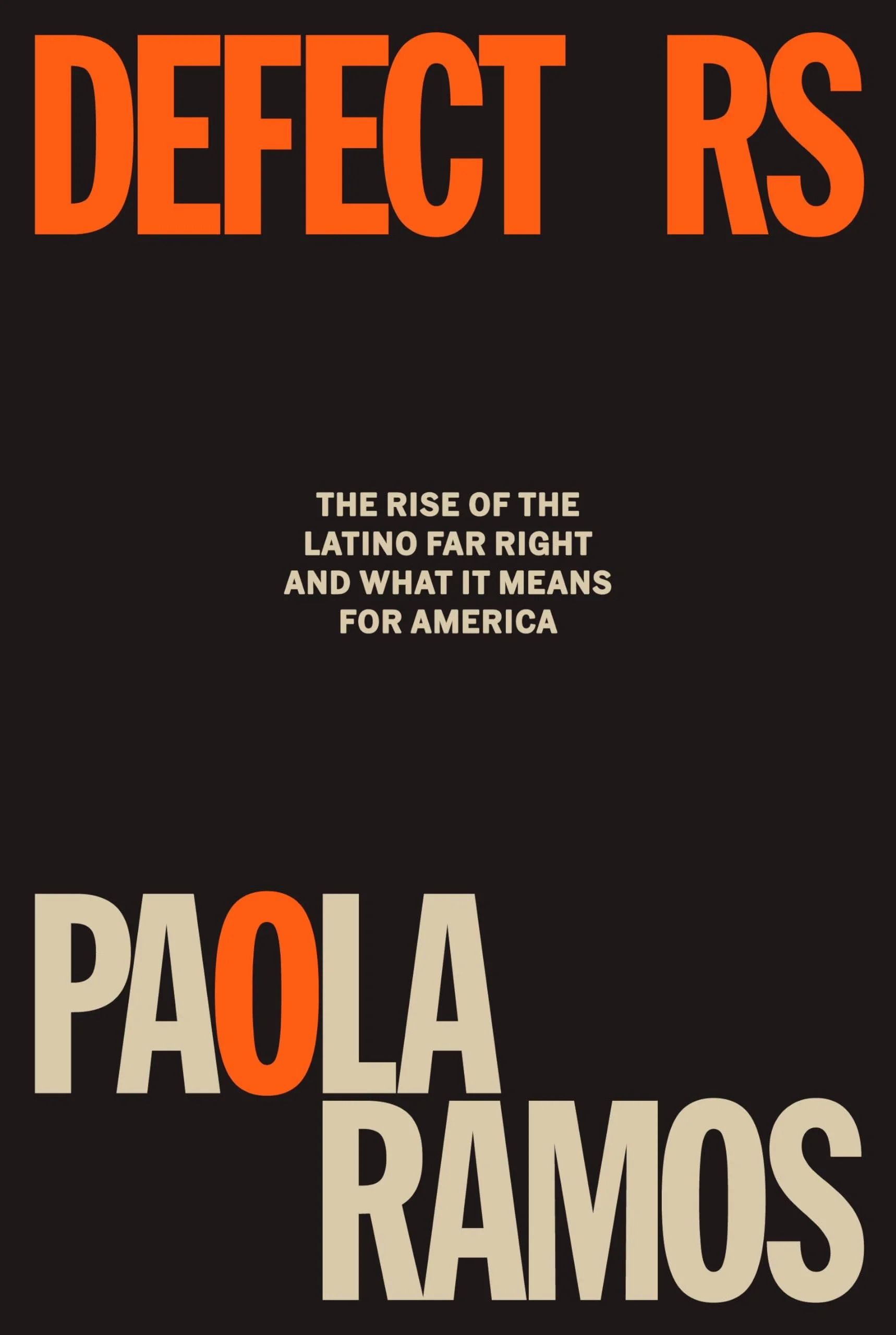
You know that shower scene in Ferris Bueller’s Day Off, when he makes the case for bailing on the test? “But really. I’m not European, I don’t plan on being European. So who gives a crap if they’re socialists?” – chances are some version of that line ran through your head reading the subtitle of this book. I need you to shut that down, stat. Because the racial ideology and acrobatics deployed to gaslight Latinos (particularly men) into believing they have some stake in white supremacy isn’t just galling in the face of ICE raids happening this very minute. It tells all of us how bankrupt the stories fed to us are. And if we’ve got any shot at dismantling that, we need a surgical command of its moving parts.
Baldwin: A Love Story
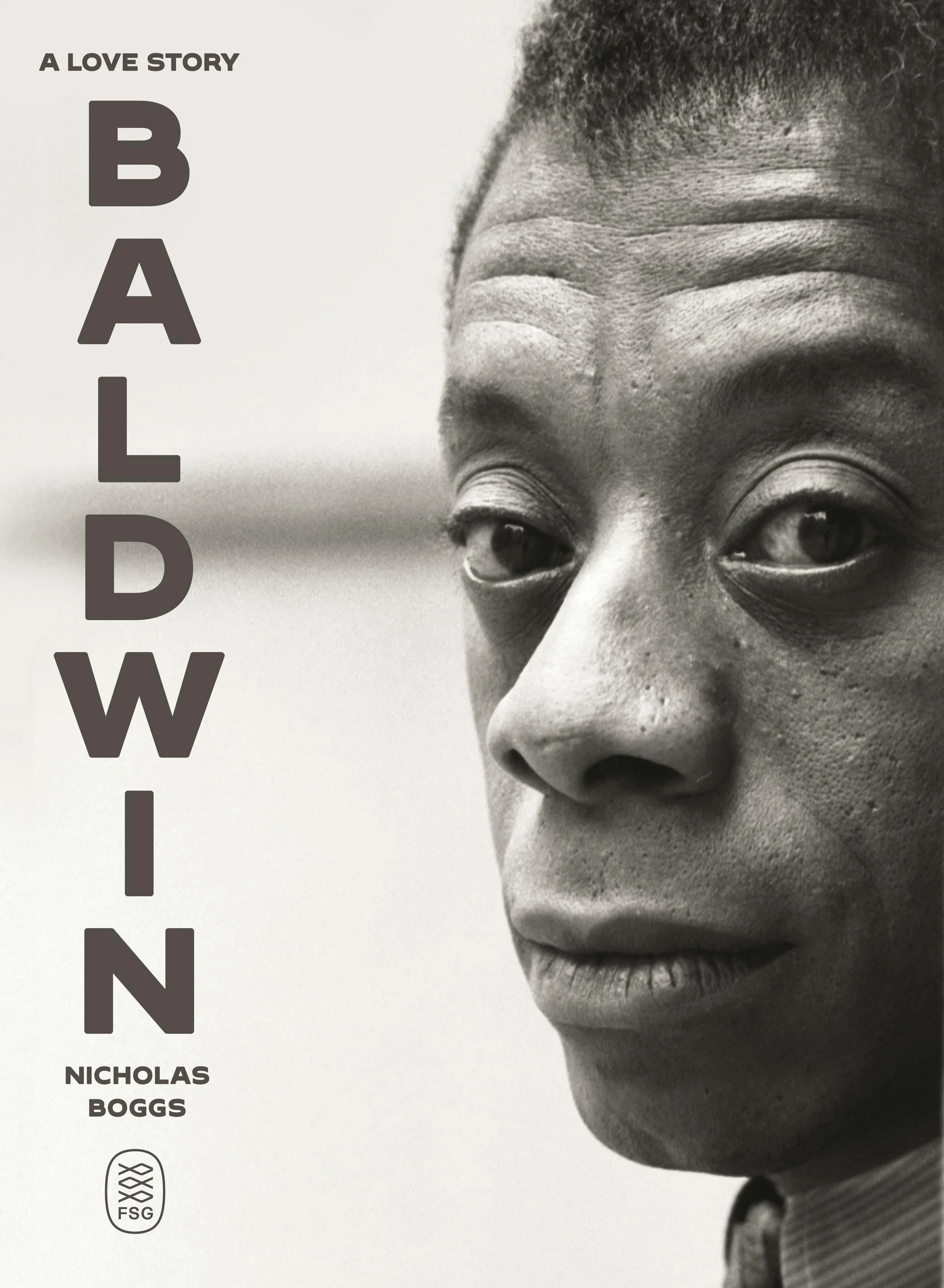
Despite my deep love of and debt to Baldwin’s work, I’d never read any of his biographies. This one dropped this year and its motif is a worthy one: James Baldwin’s life, told through his various love relationships – in all their messiness, longing, co-dependence, and unrequited moments. Along the way, one gets an unlikely window into his creative process for each of his published works (and some unpublished ones), as well as his journey into directing one of Turkey’s most controversial, confrontational, and celebrated theater productions. Incredibly detailed, drawn from rigorous archival research and interviews, and agnostic in its nuance and approach to long-trafficked mythologies.
WORST READS
Fahrenheit -182 (Mark Hoppus with Dan Ozzi)
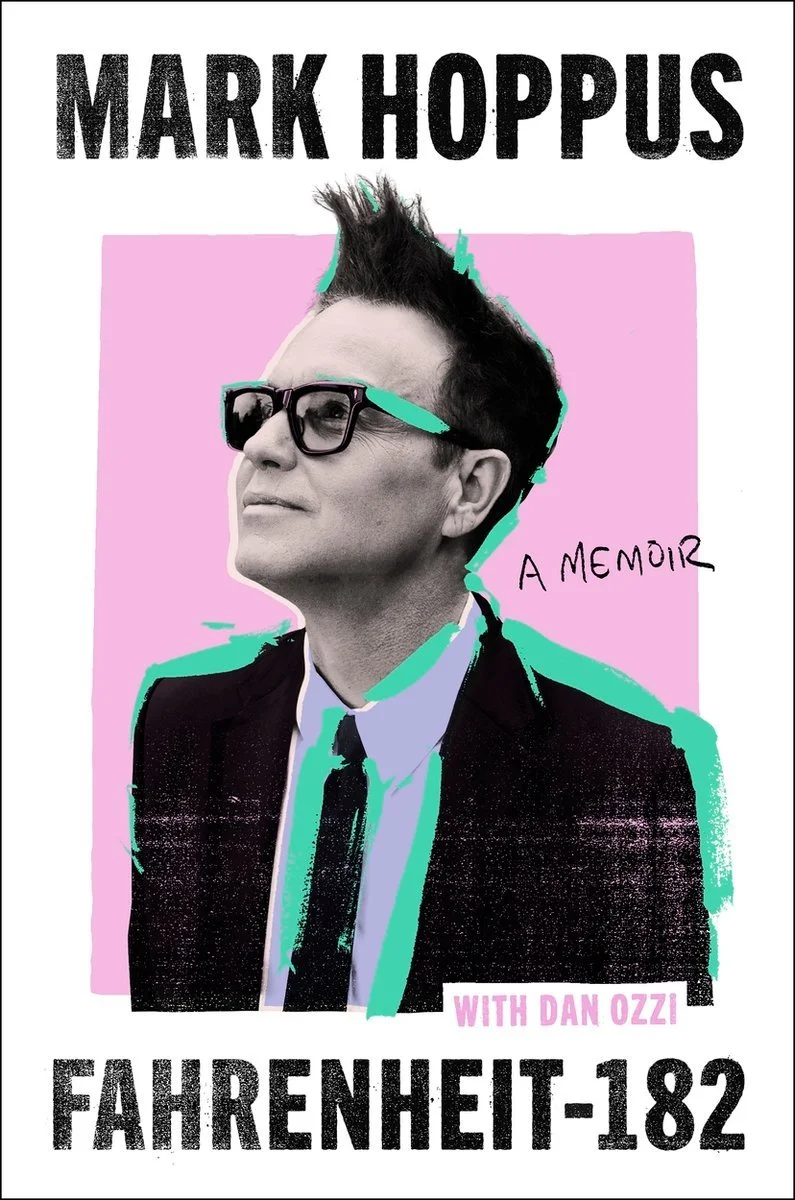
By the time Blink-182 was a band anyone had heard of, I was being careened about in sweaty basement shows – watching bands maybe hundreds of people cared about at the time, who went on to posthumous glory as canon acts marking some of punk’s most innovative moments. So a pop-punk band aping the Fat Wreck Chords roster for the American Pie generation did not really call to me. I didn’t put any real work into ignoring them; I just didn’t care.
That said, a fucking lot of younger musicians I rate (and some now approaching middle-age) were sparked by Blink at at the outset of their respective musical journeys, and unironically regard them as savvy songwriters. So when Hoppus teamed up with probably my favorite music writer to produce a memoir – I was piqued.
It might be the most obvious cash-grab I’ve ever read. And I read Fire and Fury when it came out. I wouldn’t go so far as to say I feel measurably dumber having gotten through this thing, but it’s close. Despite plowing over a number of life-turns that would’ve prompted substantive reflection in even your average bear, this book seems to approach them as though depth and curiosity are worthy of contempt.
That’d be fine, if not for two things: First, Ozzi is a master of tackling emotional and ethical journeys, armed with an outright arsenal of wit and nuance. Which seems to me the whole point of having him involved. Second, the result simply isn’t funny, and almost feels like Hoppus was never all that interested in the emotional stakes of his own experiences, even for the sake of the bit. It’s hard not to picture Ozzi trying to chase him down with follow-up questions, only to discover he’s being ghosted – just as their editor is blowing up his phone with deadline texts.
Good for Ozzi getting that bag, though. He thoroughly deserves it.
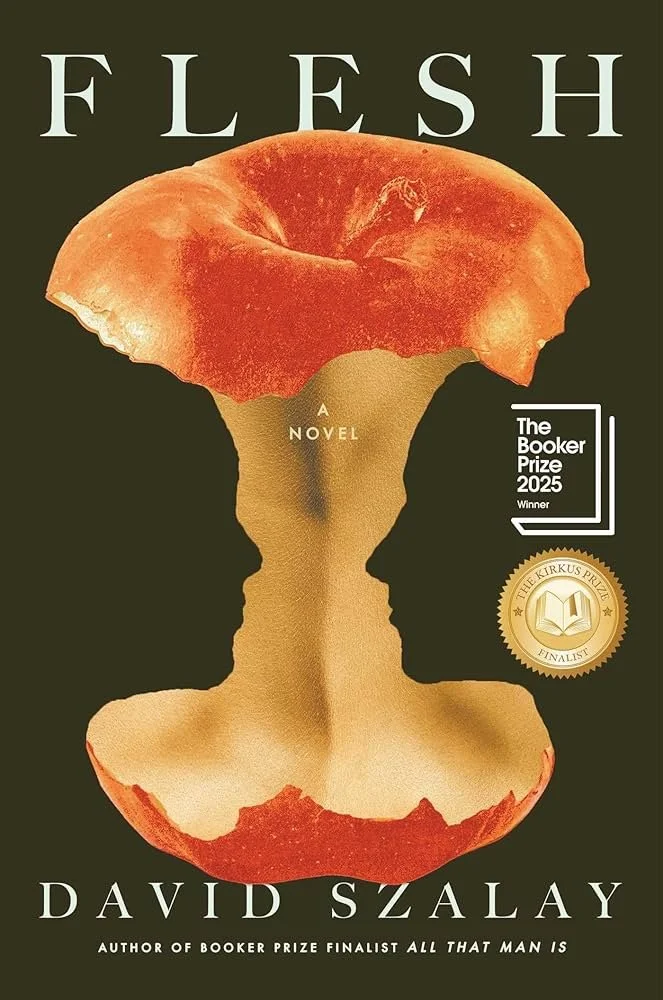
Flesh (David Szalay)
There’s an episode of South Park where the teacher decides to try and get fired from his job, so he can sue the school for discrimination (he’s gay). Toward this end, he runs through a series of fireable provocations, each more inappropriate than the last. Up to and including bringing his sex-slave to class in ass-less chaps and a gimp mask, and putting the class gerbil up his pucker (the rodent then embarks on its own Tolkien-esque story line, journeying through the masked man’s bowels).
The gambit fails spectacularly. The administrators, the school board, and even the parents are all so firmly aboard a performative bandwagon that they fail to clock how wildly out of pocket it all is, scrambling to outdo one another in declaring how “brave” the teacher is to reveal these parts of himself and live his truth.
This is, in a very real way, my experience of the meteoric rise of the band Turnstile. A hardcore act whose whole endgame appears to be waiting for someone to notice they are sonically and lyrically indistinguishable from Kid Rock. Instead, everyone from Hayley Williams to Elton John to whoever is responsible for Grammy noms proclaims they’re the most innovative band on the planet – all seemingly eager to outdo one another in their plaudits, as though everything about it doesn’t point to a long-arc marketing comeback-campaign for Bugle Boy.
All of which is to say: There are things in the world that simply aren’t for me. And I’m fine with that. But there is something deeply unsettling about hordes of people, many of whom I trust and respect, championing something so self-evidently composed of empty calories that they’d be fucked if they had to actually account for their commitment to its creative value.
I feel very, very similarly about Flesh. Winner of this year’s Booker Prize, and darling of pretty much every working and casual book critic. I say similarly, because my feeling is not quite the same. Szalay definitely has his hands around something subtly evocative with this novel. But that’s kinda where it stops. It is so sparse that it might as well not exist. Which is an incredibly weird thing to have to say about a whole-ass novel. It’s like a writing workshop assignment with the prompt What if Hemingway had a stroke?
Page upon page of dialog comprised of yes/no answers to questions of roughly similar length. What ought to be incredibly charged scenes – of sex, murder, trauma, and desperation – conveyed through prose stripped to the marrow, with all the texture and humanity of a home appliance repair manual. Characters memorable mostly for being bereft of personality or definition, or any reason for doing anything at all, much less the things they’re actually doing.
As an exercise, I can kinda see the draw. But the result is so stilted and unrewarding, it’s hard not to feel cheated. Or trolled.